Bluesky Script: Bringing Authentic Handwritten Charm to Your Designs
There's a reason handwritten fonts continue to dominate design trends. In a world saturated with polished, geometric typefaces and sterile sans serif font choices, a well-crafted script font offers something genuinely refreshing: human connection. Bluesky Script is a lovely handwritten font that captures this quality beautifully. It carries the warmth and spontaneity of natural penmanship while maintaining enough refinement to work across professional projects. Whether you're designing a wedding invitation, crafting a brand identity, or building social media graphics that stop the scroll, this typeface has a versatility that's worth understanding.
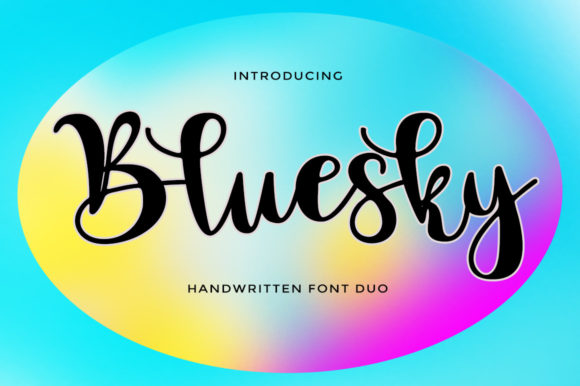
What makes Bluesky Script stand out among the crowded field of creative fonts is its balance. Many handwritten fonts lean too far in one direction—either too casual and messy, or so polished they lose their organic feel entirely. Bluesky Script occupies a sweet spot. Its letterforms flow with gentle curves and natural variation, giving text a relaxed, approachable personality without sacrificing legibility. The strokes have a pleasant rhythm to them, mimicking the slight inconsistencies you'd see in actual handwriting. That authenticity is precisely what makes it resonate with audiences who crave realness in visual communication.
Understanding the Visual Character and Appeal
At its core, Bluesky Script is a premium font designed with intention. The uppercase letters feature elegant swashes and flourishes that add sophistication, while the lowercase characters maintain a consistent baseline with subtle bounce and movement. This combination gives designers flexibility. You can set a headline that feels celebratory and expressive, or use it for shorter body text that reads as warm and personal. The overall personality skews friendly, creative, and inviting—qualities that work across a remarkable range of contexts.
One practical detail worth noting: this font is PUA encoded, which means every glyph, swash, and alternate character is fully accessible regardless of the design software you use. If you've ever struggled with OpenType features in programs that don't support them natively, you'll appreciate this. Accessing stylistic alternates and decorative elements becomes straightforward, whether you're working in Adobe Illustrator, Canva, or even basic text editors that support character maps. This accessibility makes Bluesky Script particularly appealing to hobbyists and small business owners who may not have advanced design tools but still want professional results.
Where Bluesky Script Truly Shines
Think about the projects where personality matters most. Logo design is an obvious starting point. Brands targeting lifestyle audiences—boutique bakeries, wellness studios, handmade goods shops, photography businesses—often benefit enormously from a handwritten font in their visual identity. Bluesky Script works beautifully as a primary logotype or as a complementary element paired with a clean sans serif font for supporting text. The interplay between organic script and structured typography creates visual interest while maintaining professionalism.
Packaging design is another area where this typeface excels. Consider how a handwritten label on a jar of artisan honey or a bottle of small-batch hot sauce immediately communicates craft and care. The font does heavy lifting in establishing perceived value before a customer ever reads the product description. Editorial design benefits similarly. Magazine layouts, blog headers, and digital publications use script fonts to create focal points and break up dense text blocks. Bluesky Script adds that editorial flair without overwhelming a page layout.
Social media graphics deserve special mention here. Platforms like Instagram and Pinterest reward visual distinctiveness, and a creative font like Bluesky Script helps content creators establish a recognizable aesthetic. Quote cards, promotional announcements, story templates, and highlight covers all become more engaging when set in a typeface that feels handcrafted rather than mass-produced. The font's natural warmth translates exceptionally well to screen-based formats where cold, mechanical typography often falls flat.
Making Smart Design Decisions with Handwritten Fonts
Choosing any display font requires thoughtful evaluation, and Bluesky Script is no exception. Start by considering your project's tone. Handwritten fonts communicate informality, creativity, and approachability. If your brand identity centers on authority, precision, or technical expertise, a script font might create cognitive dissonance with your messaging. However, if your audience values authenticity, warmth, and personal connection, this typeface aligns naturally with those qualities.
Font pairing is where many designers either elevate or undermine their work. Bluesky Script pairs best with typefaces that provide contrast and structure. A clean serif font like a modern transitional or a geometric sans serif creates a balanced hierarchy where the script draws attention at display sizes while the secondary font handles readability in longer passages. Avoid pairing it with other decorative or overly stylized fonts, as competing ornamental details create visual noise rather than harmony.
Readability deserves honest consideration. Handwritten fonts, by their nature, work best at larger sizes. Bluesky Script performs admirably in headlines, subheadings, pull quotes, and short phrases. Using it for extended paragraphs or fine print would compromise legibility and frustrate readers. Respect the font's strengths by deploying it strategically at display sizes where its personality can be appreciated without taxing the reader's eyes.
Practical Tips for Working with Bluesky Script
Before committing to any commercial font for a client project or your own brand, test it thoroughly. Set sample text that mirrors your actual content. Does your business name look balanced in this typeface? Do the letter connections flow naturally with the specific characters in your brand name? Some script fonts handle certain letter combinations awkwardly—testing reveals these quirks before they become problems.
Review the included styles and character sets carefully. Bluesky Script's PUA encoding means you have access to alternates and swashes that can customize the look of your text significantly. Swapping a standard "t" for a flourished alternate, or adding a decorative end swash to a final letter, transforms the visual impact of a word or phrase. Spend time exploring these options rather than settling for default settings.
Licensing matters for any premium font used in commercial contexts. Verify that your license covers your intended applications—whether that's client deliverables, merchandise, digital products, or printed materials. Most quality typeface providers offer clear licensing terms, and understanding them upfront prevents complications later. This is especially important for designers creating assets for multiple clients or businesses producing products for sale.
Building Consistency Across Your Creative Work
The most effective use of any design asset comes from consistency. Once you've selected Bluesky Script for a project, integrate it systematically across all touchpoints. Use it in your website headers, email signatures, printed collateral, social media templates, and packaging. This repetition builds recognition. Over time, audiences begin associating that distinctive handwritten style with your brand before they even read the words. That's the power of thoughtful typography working as a brand identity tool rather than a decorative afterthought.
Whatever creative endeavor you're pursuing—a new business launch, a content refresh, a personal craft project—having a reliable, versatile script font in your library saves time and elevates output. Bluesky Script is a lovely handwritten font that deserves consideration precisely because it adapts to so many contexts without losing its character. It's the kind of typeface you reach for again and once you've worked with it, you'll understand why.