Hanma Script: Where Vintage Charm Meets Modern Luxury
In the crowded world of digital assets, finding a typeface that bridges the gap between nostalgia and high-end sophistication is rare. Hanma Script manages to do exactly that. It captures the bold, confident strokes of mid-century design—a time when advertising was tactile and typography had weight—while refining those edges for today’s luxury market. If you are a designer or brand strategist looking for a premium font that feels both exclusive and familiar, Hanma Script offers a distinct voice. It doesn’t just sit on the page; it performs, adding a layer of personality that standard corporate typefaces simply cannot replicate.
The Visual Personality of Hanma Script
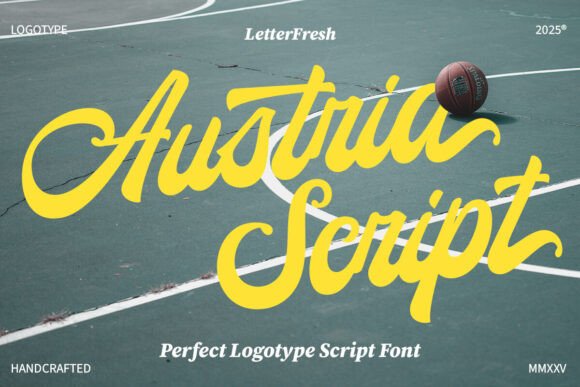
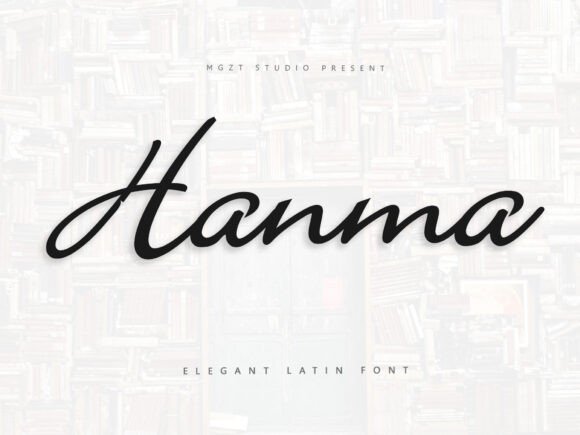
At its core, Hanma Script is a script font defined by its fluid, hand-drawn aesthetic, but it avoids the chaotic look of a casual handwritten font. Instead, it leans into a structured elegance. The letterforms feature bold, confident strokes that evoke a sense of history, reminiscent of vintage sign painting or classic jazz album covers. However, the curves are polished and intentional, removing the imperfections often found in retro designs to create a clean, modern finish.
This blend of styles makes it incredibly versatile. It possesses the warmth of a human touch, which is essential for brands wanting to appear approachable, yet it maintains the sharpness required for logo design. Whether you are crafting a monogram for a high-end boutique or a headline for a lifestyle magazine, the font balances legibility with flair. It is a creative font that doesn’t sacrifice professionalism for style.
Real-World Applications: From Packaging to Digital
Understanding where to deploy a font like Hanma Script is key to maximizing its impact. Because it functions primarily as a display font, it shines in high-visibility areas where you need to make an immediate impression.
- Packaging and Product Design: For artisanal goods, coffee roasters, or boutique cosmetics, Hanma Script adds instant shelf appeal. It signals quality and care before the customer even reads the ingredients list. It works beautifully as a primary label typeface, especially when paired with a clean sans serif font for the technical details.
- Editorial and Publishing: In editorial design, such as magazine covers or chapter headings, this typeface sets a sophisticated tone. It pairs exceptionally well with a sturdy serif font for body text, creating a visual hierarchy that guides the reader's eye naturally.
- Digital Presence: While script fonts are not ideal for long paragraphs of text on screens, Hanma Script is powerful for hero images, headers, and call-to-action buttons on web design projects. It also creates stunning social media graphics, particularly for quotes or announcements that need to stop a user from scrolling.
- Event and Stationery: For wedding invitations, menus, or business cards, the font provides a bespoke feel. It mimics the look of custom calligraphy without the associated cost, making high-end design more accessible for small business owners.
Crafting Brand Identity with Hanma Script
Choosing a typeface is one of the most critical decisions in building a brand identity. Fonts carry psychological weight; they tell your audience how to feel about your business before they understand what you do. Hanma Script communicates exclusivity, tradition, and confidence. It suggests that your brand values craftsmanship and heritage.
However, using a display font effectively requires strategy. If you use Hanma Script for everything, the design can become overwhelming and difficult to read. The secret lies in font pairing. To ensure your message gets across, combine Hanma Script with a neutral typeface.
For example, if you are designing a website for a luxury real estate agency, use Hanma Script for the main headline to capture attention. Follow this with a geometric sans serif font for subheadings and body copy. This contrast creates a dynamic visual hierarchy, allowing the script font to shine as a decorative element while the sans serif handles the heavy lifting of information delivery. This approach ensures your modern typography remains functional and accessible.
Practical Considerations for Implementation
Before integrating Hanma Script into your workflow, there are a few practical checks to perform. First, always test the font in the specific context where it will be used. A typeface can look different on a textured background compared to a flat digital screen. Check the kerning (the space between letters) to ensure the flow feels natural, especially for logo lockups.
Second, review the licensing. If you are a freelancer creating assets for a client, or a business owner using the font on merchandise, ensure you have the correct commercial font license. High-quality design assets like Hanma Script usually come with clear usage rights, but it is your responsibility to verify that the license covers your intended use, whether it is for a single client or multiple digital platforms.
Finally, pay attention to readability at smaller sizes. While Hanma Script is legible at display sizes, script fonts can lose clarity when scaled down significantly. If you plan to use it for mobile headers, test it on actual devices to ensure the bold strokes don’t bleed together.
Elevating Your Creative Projects
In a market saturated with generic, free fonts, investing in a premium font like Hanma Script can set your work apart. It is not just about having "pretty letters"; it is about having a tool that communicates your specific vision with precision. Whether you are a blogger looking to upgrade your site’s aesthetic, a designer working on a rebrand, or an entrepreneur launching a new product line, the right typography elevates the entire experience.
Hanma Script offers that rare combination of personality and polish. It allows you to tap into the nostalgia of retro design while maintaining the clean lines required for contemporary modern typography. By using it strategically—pairing it wisely, testing its legibility, and applying it to the right projects—you can create designs that not only look beautiful but also connect deeply with your audience. It is a timeless addition to any designer’s toolkit, proving that good style never really goes out of fashion.